
Wrapping
You found the gift.
Now make it look like you tried.
Beautiful, practical and occasionally desperate ways to wrap, box, bag and mail gifts—including the ones shaped like a nightmare.
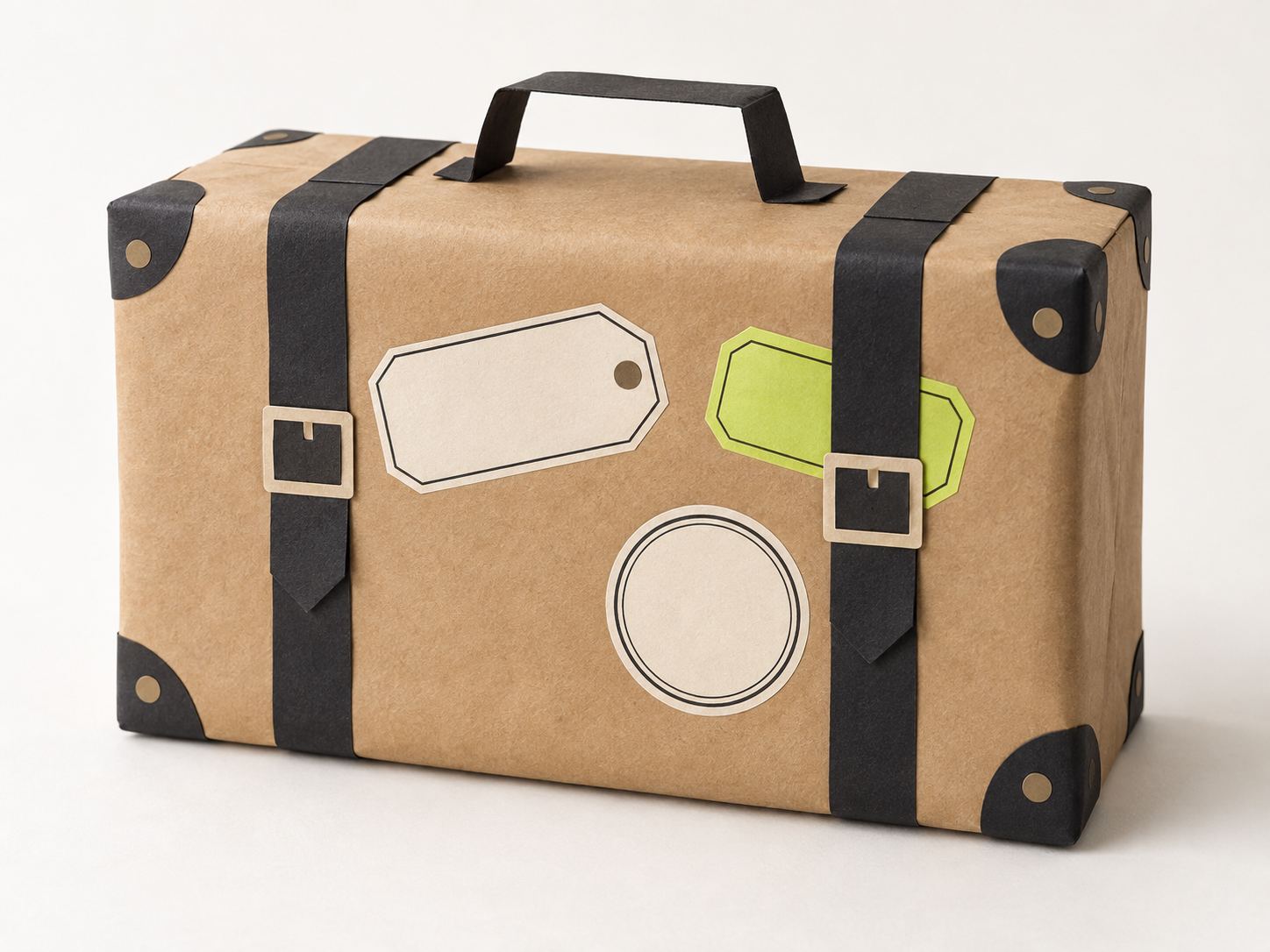
Featured wrapping stories
Start with the problem, the material or the kind of finish you want—not the holiday aisle.
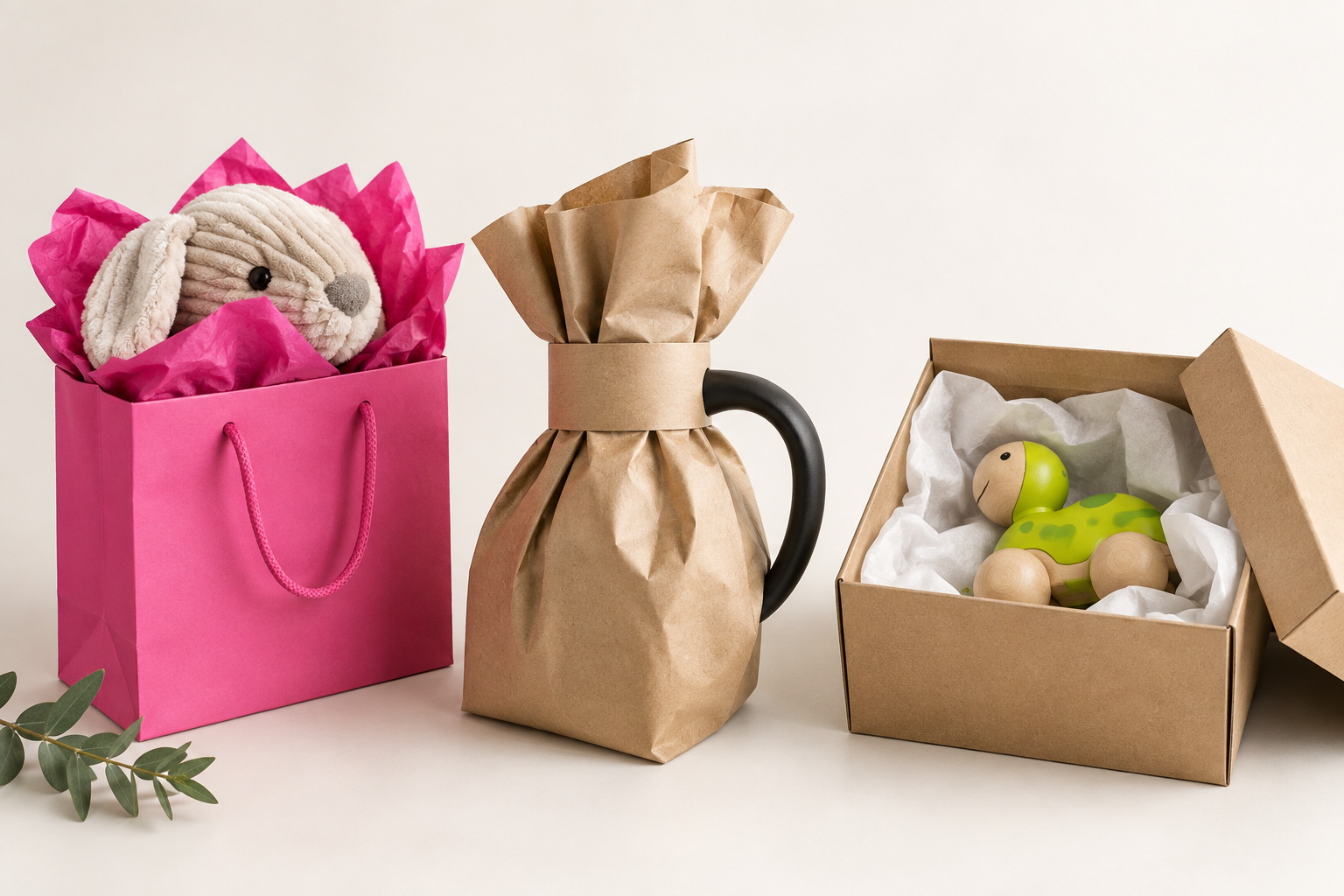
How to wrap the unwrappable
Fabric, folds and washi details
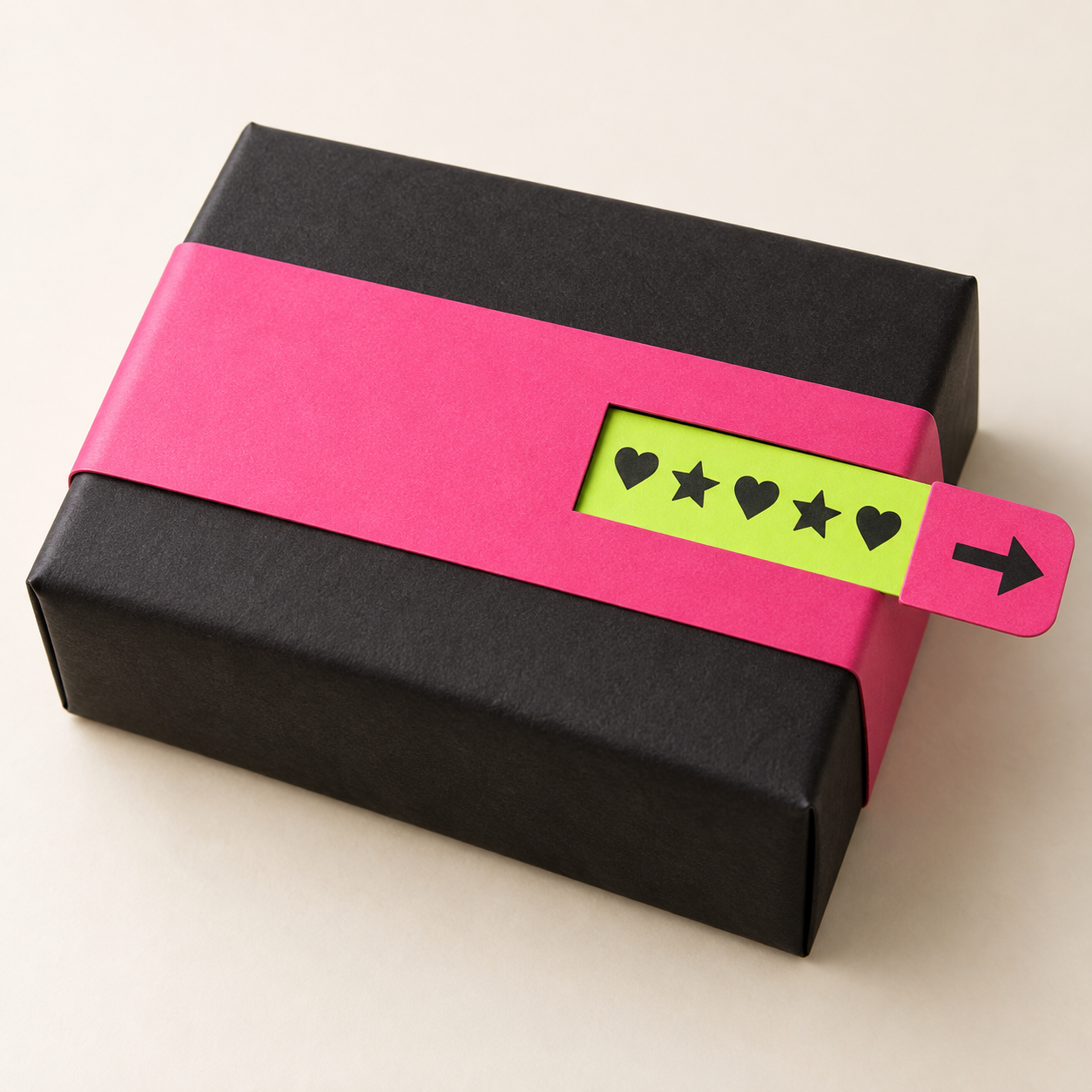
One strong detail beats twelve decorations
Practical wrapping
The useful half of the section: less glitter, fewer collapsed bottle necks, better results.
Wrap something awkward
Contain it, disguise it or make the shape the point.
Wrap with fabric
Boxes, bottles and handles without disposable paper.
Change the reveal
Use panels for oversized gifts; create a larger presentation for tiny ones.
Protect the presentation
The pretty layer belongs inside a plain, properly cushioned shipping box.
Use what you have
Kraft paper, a tea towel, a paper bag or a clean box can look intentional.
Store the supplies
One compact kit beats a room full of crushed bows and mystery tape.
Fabric + washi
Japanese wrapping, without calling every square of cloth “authentic.”
Furoshiki is a Japanese tradition of wrapping and carrying objects in cloth. The useful idea is simple: choose a cloth large enough to cover the object diagonally, use flat square knots, and let the material become part of the presentation.
For boxes: centre the box diagonally, bring opposite corners together, then knot the remaining pair. A cloth roughly three times the box width gives room to work.
For bottles: use a longer cloth, cushion glass from glass, and knot firmly above the shoulders. Decorative carrying handles are not a substitute for secure transport.
Choose fabric honestly: purpose-made furoshiki is lovely; a good scarf or tea towel can be a sensible reusable alternative. Describe it as fabric wrapping unless its origin is known.
Washi and paper: decorative Japanese paper, slim paper bands, washi tape and a restrained seal are strongest on small boxes and flat gifts. Avoid covering beautiful paper with a large plastic bow.
Limitations: slick fabric loosens, delicate textiles dislike sharp corners, and mailing still requires an outer shipping box. Ask before knotting a valuable scarf around something oily or fragile.
Reuse: untie, smooth, fold and store flat. When the cloth is part of the gift, include a note explaining that it can be used again.
For very big, very small and very round things
Changing the presentation is usually easier than bullying paper into the wrong shape.
Really big
Use overlapping panels, cloth or one deliberately wrapped component.
Tiny
Give a very small object enough presence for a satisfying reveal.
Bottles
Use a paper collar, fabric wrap or a simple label-led presentation.
Wrap it like…
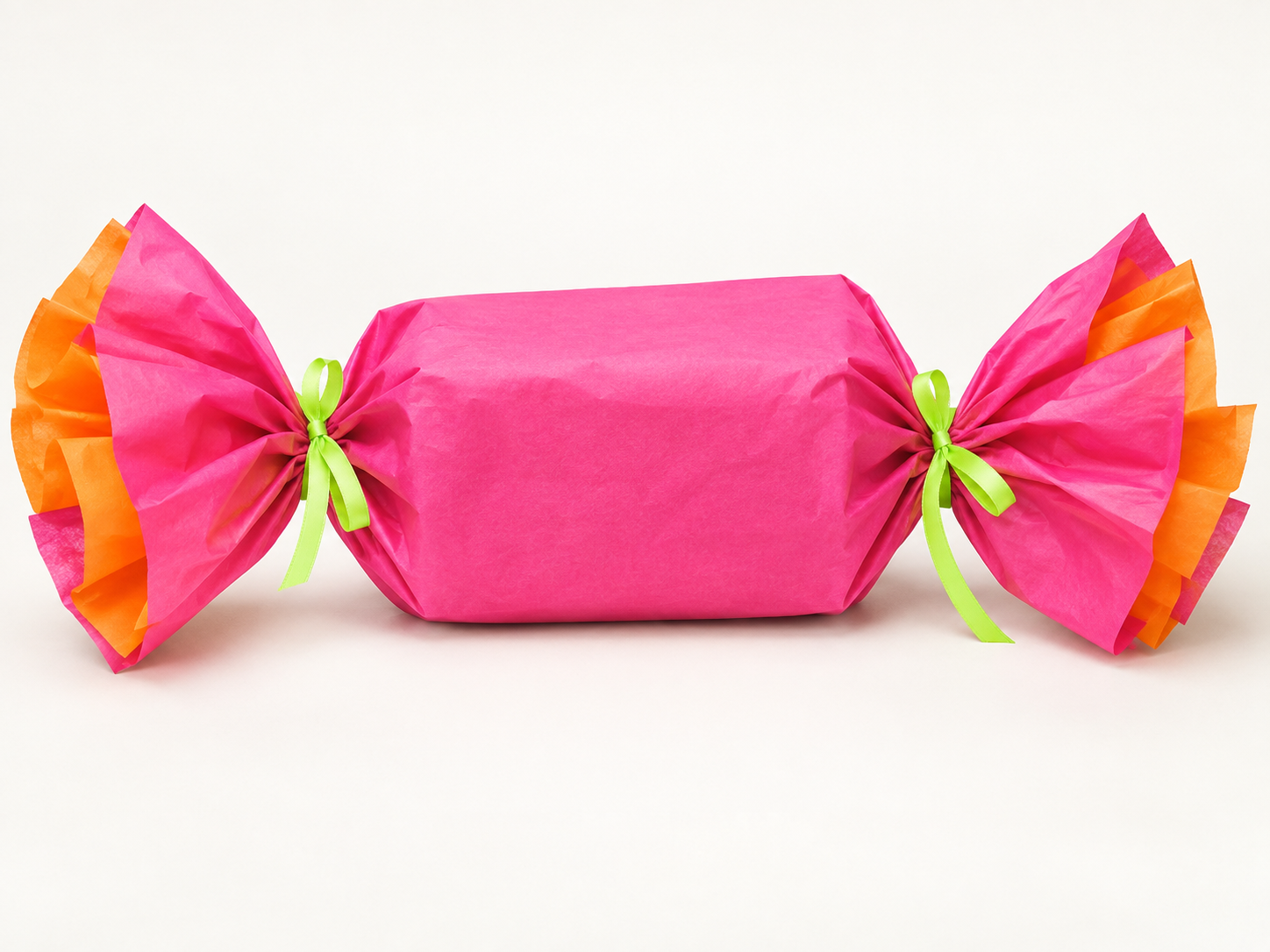
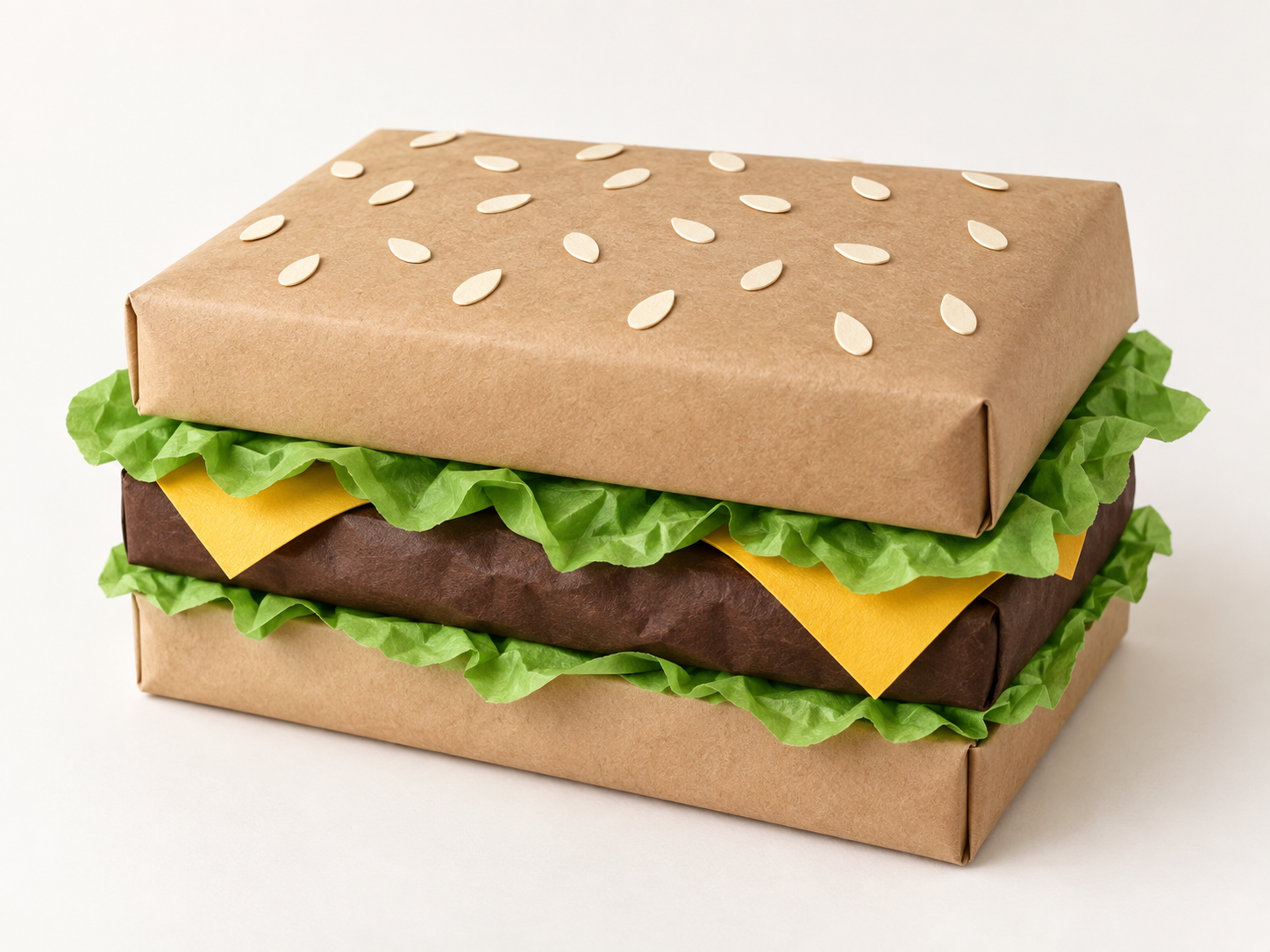
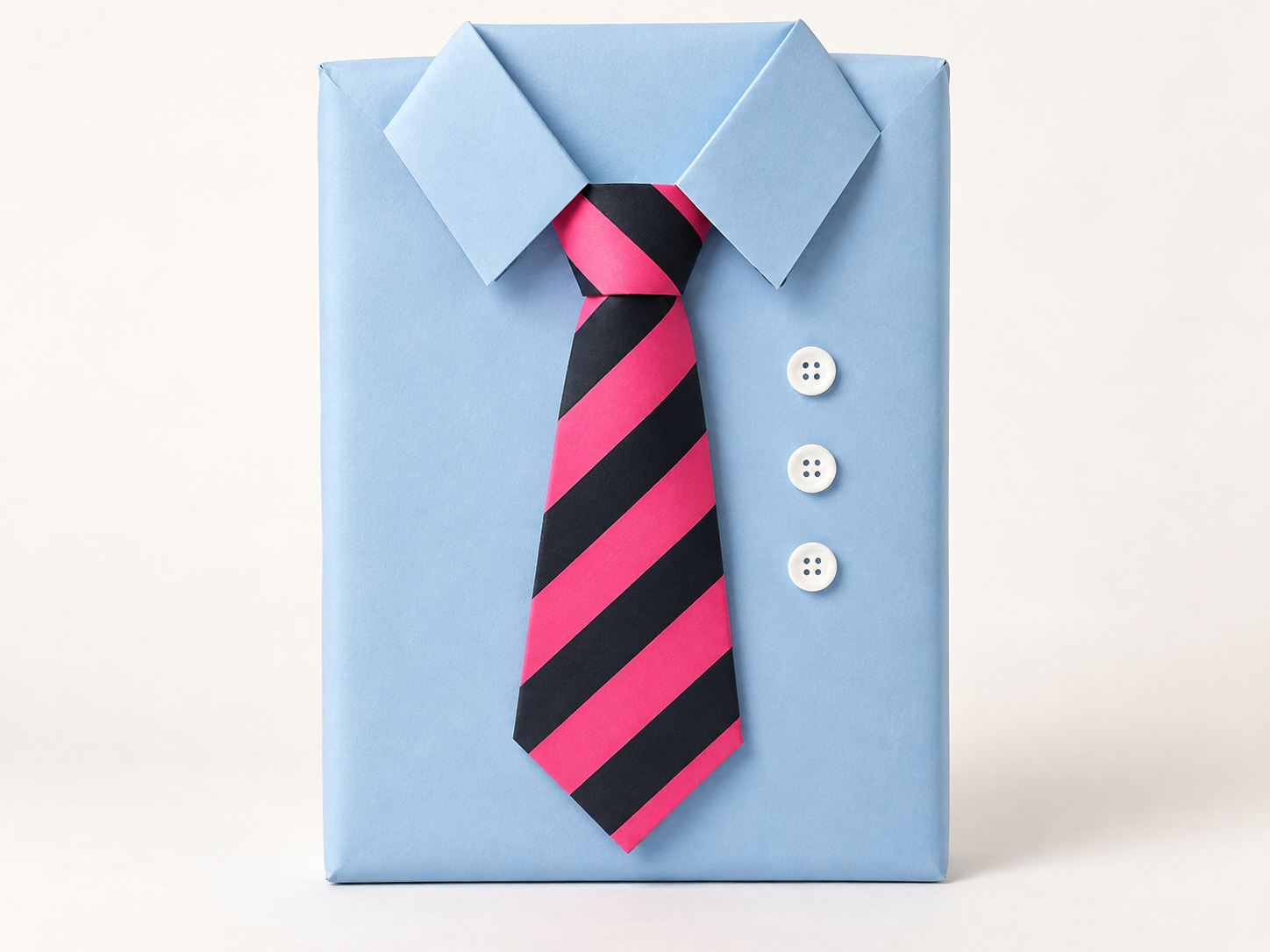
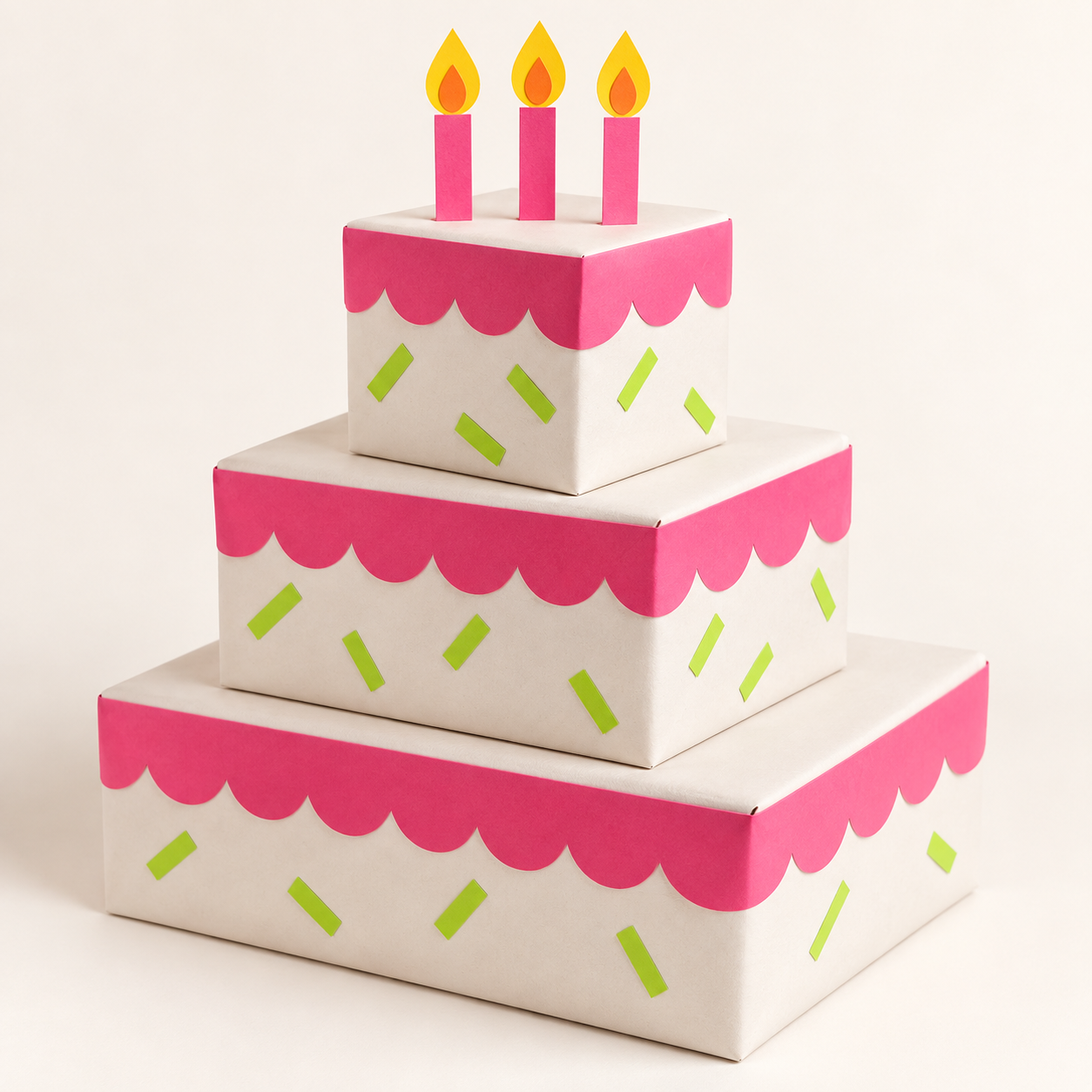
Eight ordinary packages with much better alter egos. Swipe, pick one, then follow the short tutorial.
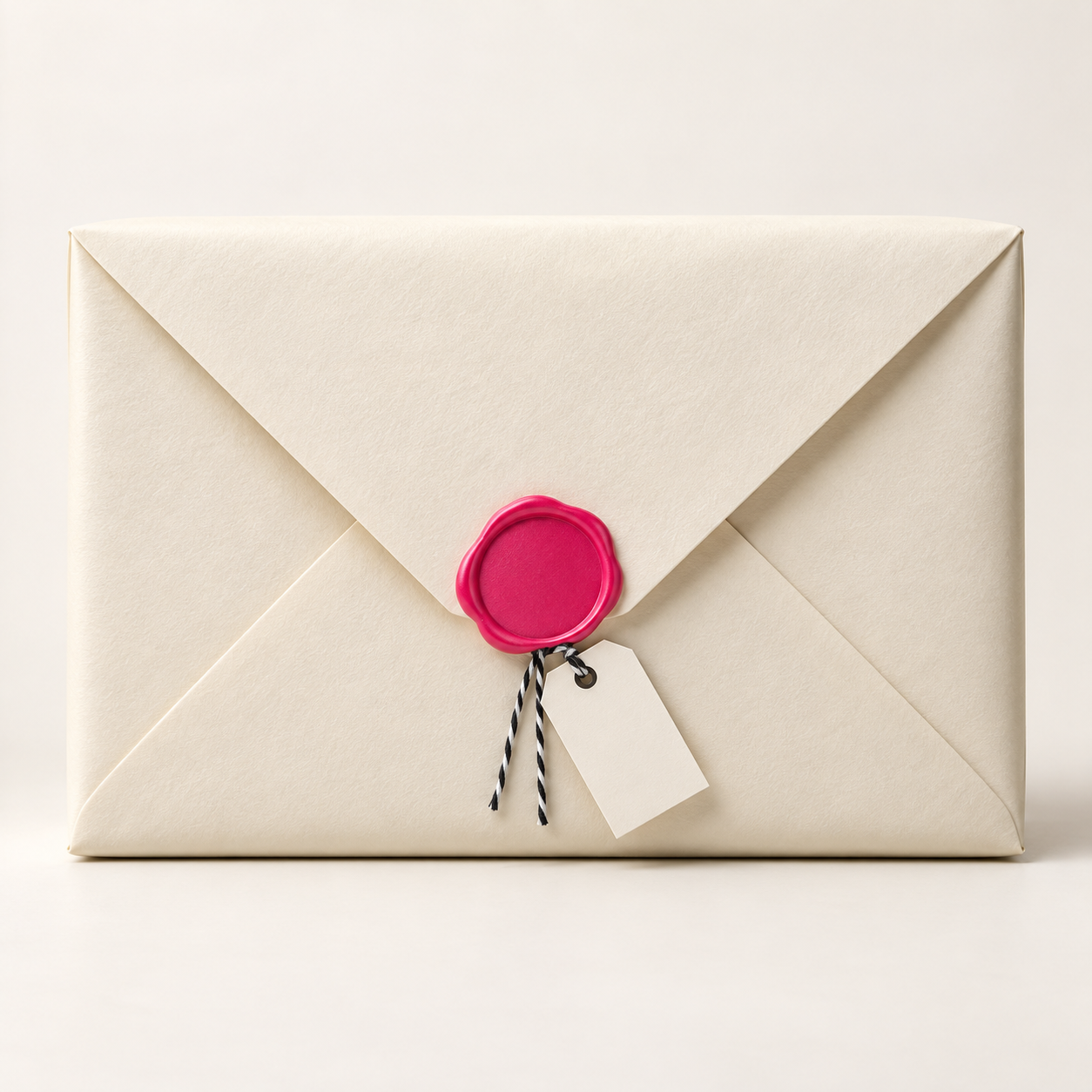
An Envelope
Oversized correspondence for books, prints and flat gifts.
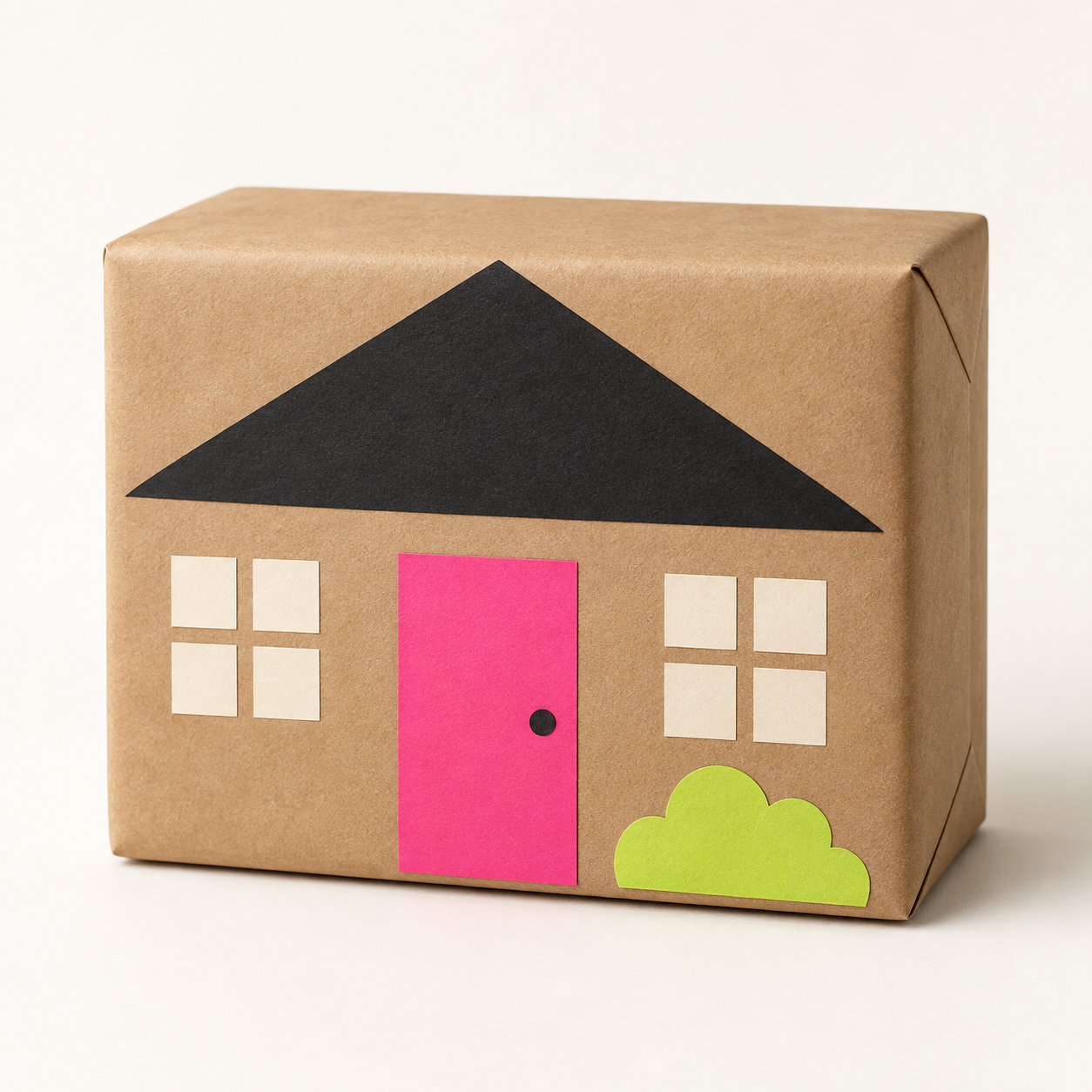
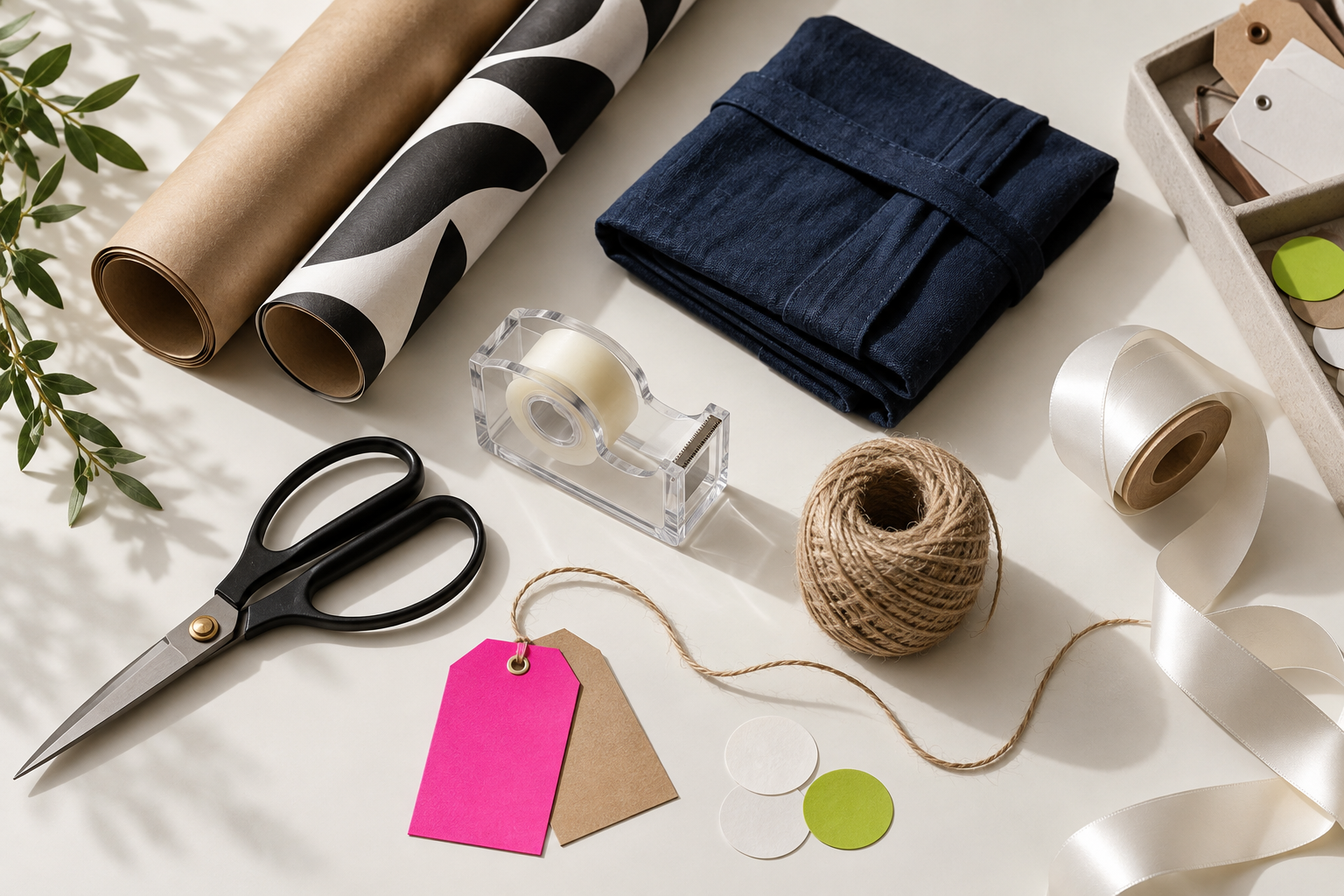 The Wrap DrawerThe stuff worth keeping around.You do not need 47 rolls of wrapping paper. You need scissors that cut properly, tape that disappears, paper worth looking at, a few finishing tricks—and somewhere to put the whole mess when you’re done.Explore the Wrap Drawer →
Organize
Store wrapping supplies without devoting a room to them.
Choose the system that fits the space you actually have: one shelf, under-bed clearance, the back of a door or a portable kit.
Make it pretty. Then protect it from the shipping system.
The decorative package and the shipping package have different jobs. Use a rigid outer box, real cushioning and packing tape.
Build a gift box
Several small things. One coherent gift.
Choose a useful container, one anchor gift, two or three supporting items and enough fill to stop everything migrating to one corner. Keep the palette simple and place the note where it is seen first.